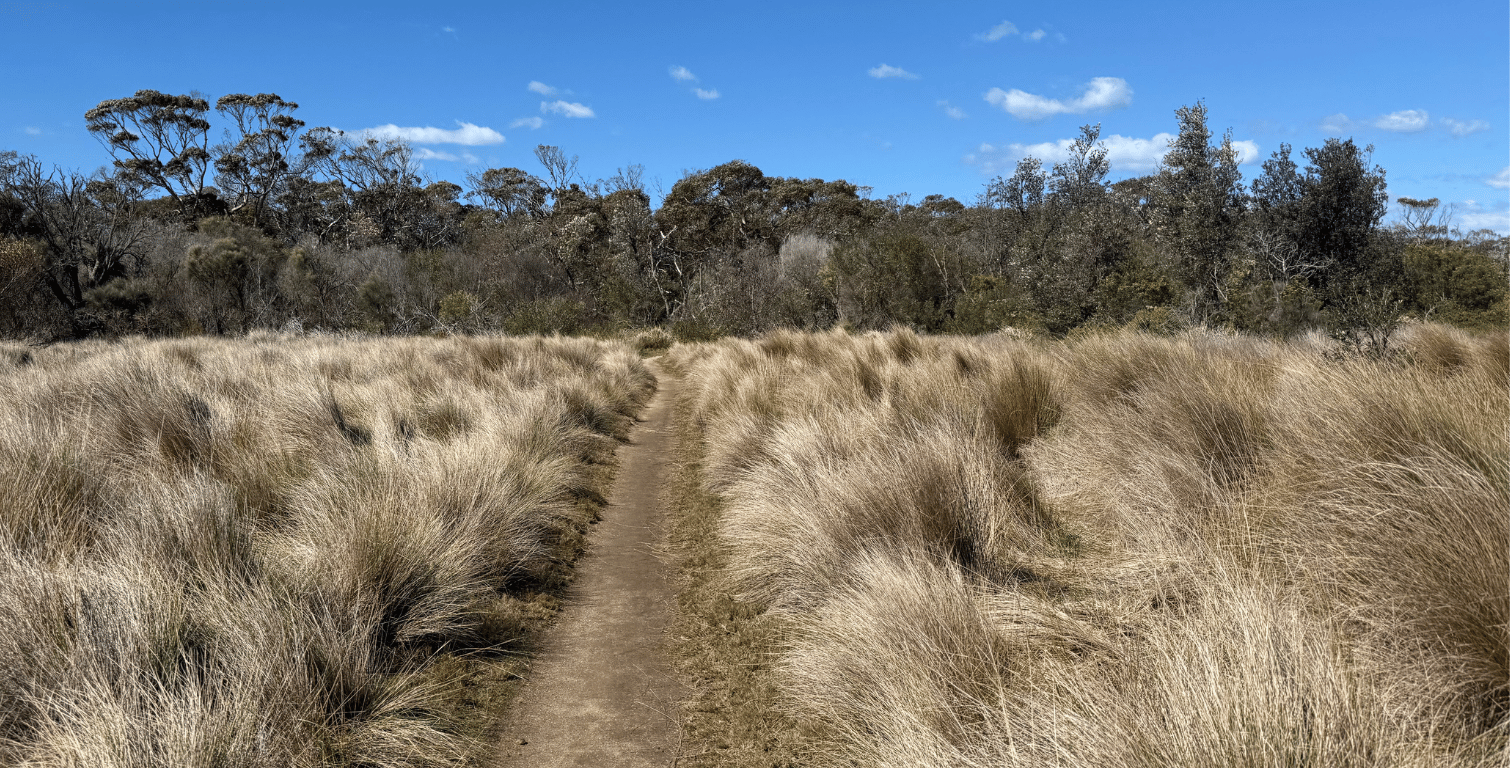
Across Australia, public art commissioning is increasingly moving away from object-based outcomes toward place-led processes. This shift recognises that meaningful First Nations public art does not begin with form, material, or even concept. It begins with Country: with land, waters, memory, and cultural authority. In this model, Country becomes the curatorial framework, guiding decisions about narrative, placement, materiality and engagement.

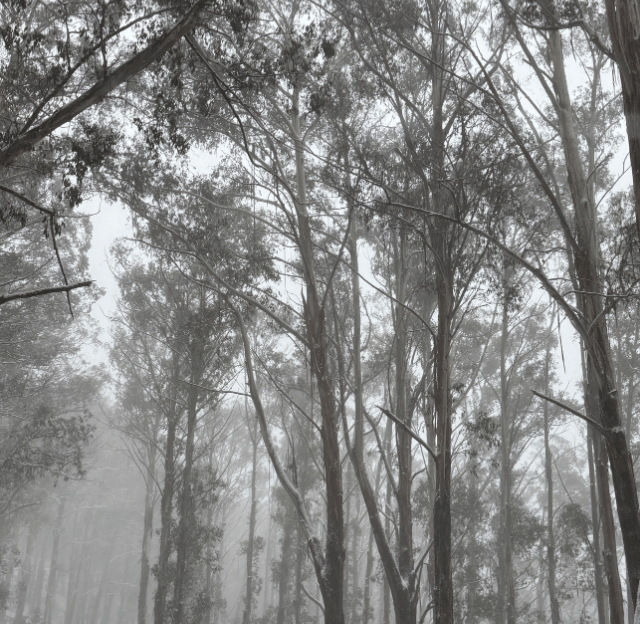
This approach challenges traditional commissioning structures. Historically, public art has often been delivered through fixed briefs, compressed timelines, and predetermined outcomes. While efficient, these methods can limit cultural depth and risk reducing First Nations knowledge to aesthetic motifs. A Country-led approach instead prioritises listening, consultation and relationship-building, allowing meaning to emerge through process.
Country as curator repositions the artist’s role. Rather than responding to a client-defined concept, First Nations artists engage with place through cultural protocols, community dialogue and lived knowledge. The artwork becomes an outcome of this engagement, not the starting point. This reframes commissioning as a collaborative act shaped by custodianship, not simply design.
Importantly, this approach also redefines the role of curators, consultants and commissioning bodies. Their responsibility becomes one of facilitation: creating space for cultural authority, supporting consultation, and translating artist intent into durable public outcomes. Technical expertise (engineering, fabrication and landscape integration) becomes supportive infrastructure rather than a driver of concept.
Country-led commissioning also changes how success is measured. Instead of focusing solely on visual impact, value is found in:
- cultural authenticity
- community relevance
- embedded storytelling
- ecological responsiveness
- opportunities for gathering and connection
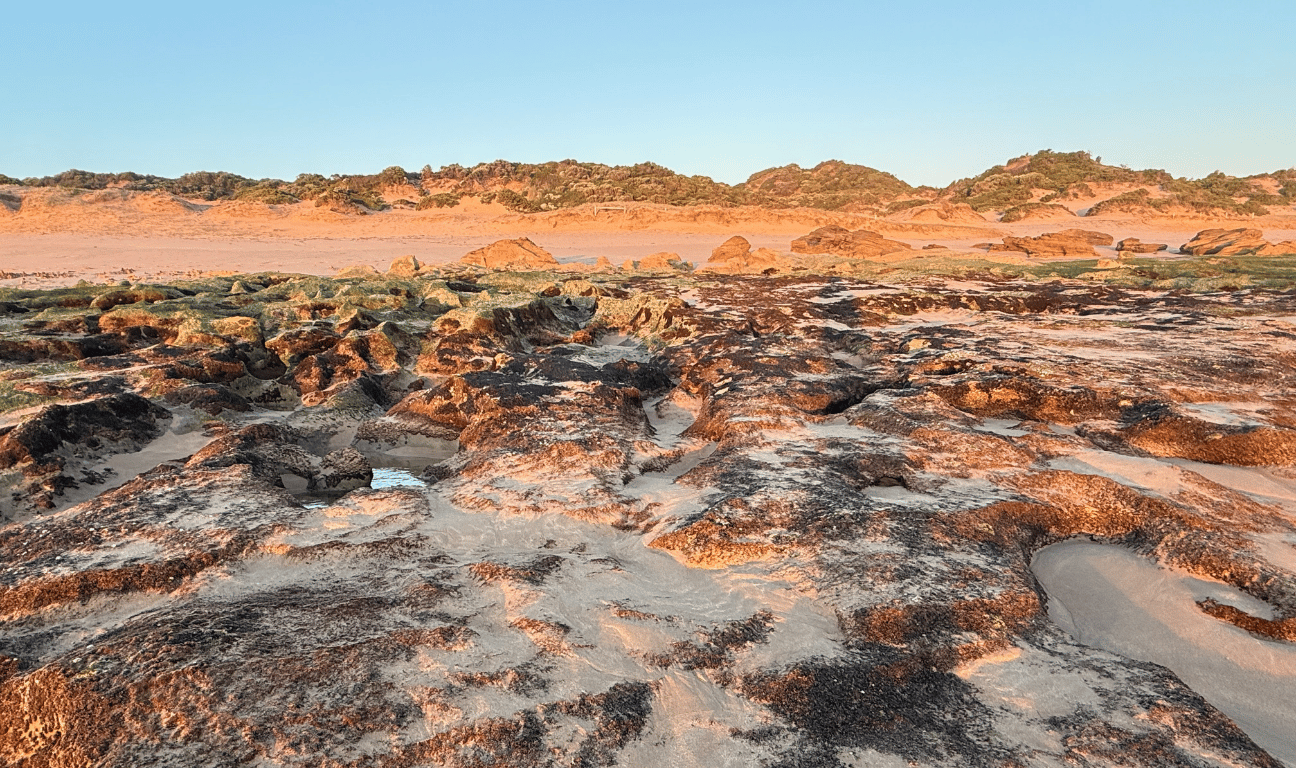
Seating, pathways, water-sensitive elements, and gathering spaces become carriers of cultural meaning. The artwork is not separate from place, it is part of it.
Cultural consultation, permissions, and on-Country engagement require flexibility in project timelines. Commissioning frameworks that prioritise speed risk undermining cultural integrity, while those that allow process create space for deeper outcomes.
Country as curator is ultimately a shift in authorship. When Country leads, public art becomes more than an object. It becomes a conversation between land, artist and community, embedded, enduring and culturally grounded.
References
- Adrian Newstead, The Dealer is the Devil: An Insider’s History of the Aboriginal Art Trade.
- Australia Council / Creative Australia, Protocols for Using First Nations Cultural and Intellectual Property in the Arts.
- Government Architect Victoria, Designing with Country Framework.
- NSW Government Architect, Connecting with Country.
- City of Melbourne, Public Art Framework.